By Rose & Dan Fera of Leaning Birch Farm
In an era dominated by sprawling supermarkets and highly processed foods, it is easy to forget all about the hands that actually grow our meals. The standard grocery store intentionally separates the consumer from the origin of the product, obscuring agricultural practices, harvest dates, and labor conditions from the food they sell. However, the resurgence of farmers’ markets offers a refreshing remedy to this disconnect, actively reviving the lost art of talking to your food producer.
Farmers’ markets act as a bridge between modern consumers and agricultural producers, restoring transparency to what we eat. By eliminating supply-chain middlemen, these vibrant community hubs allow shoppers to converse directly with local farmers, discovering how their food is grown, and rebuilding a localized, sustainable food culture.
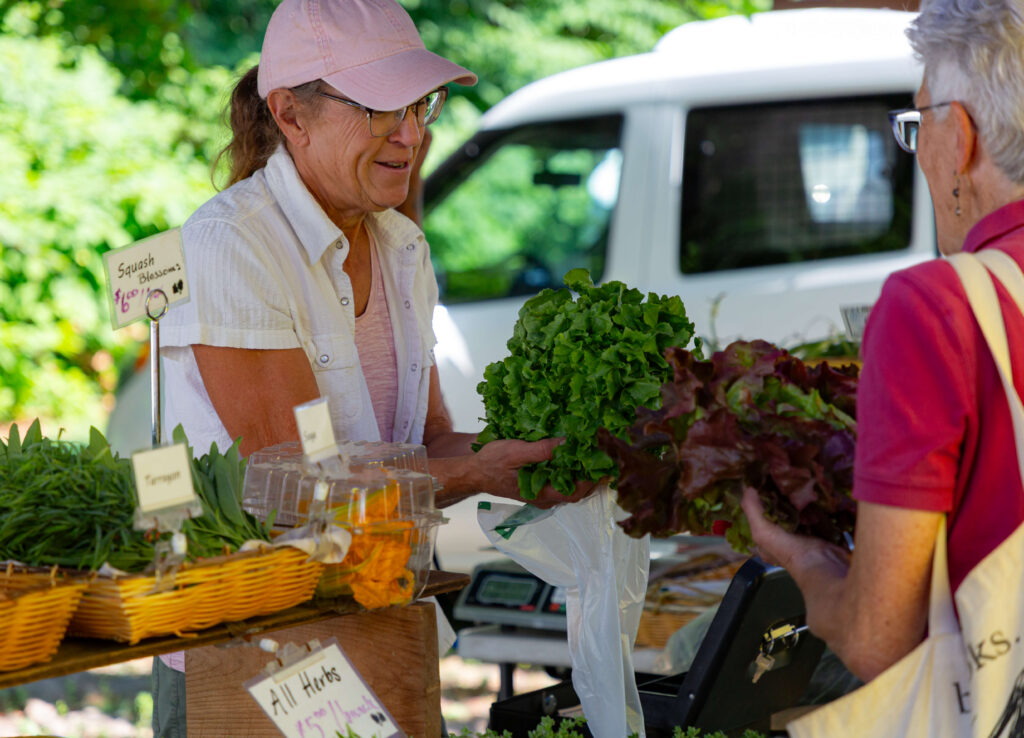
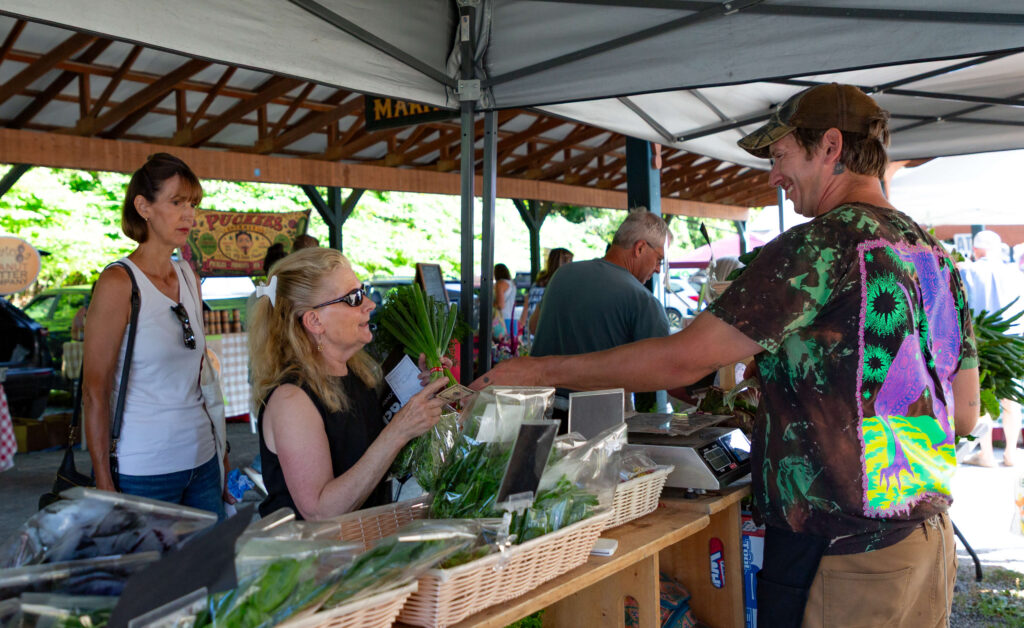
When you purchase a basket of heirloom tomatoes or a loaf of sourdough bread at a local market, you are buying much more than raw ingredients. Stepping up to a farmer’s stall grants you direct access to the person who planted the seeds, nurtured the soil, and managed the harvest. This direct-to-consumer interaction transforms a standard economic transaction into a rich, educational exchange.
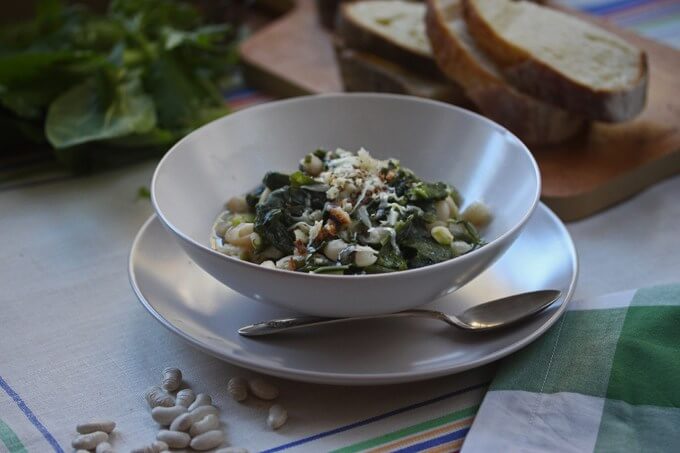
Conversing with a food producer allows shoppers to ask highly specific questions that supermarkets simply cannot answer. You can learn exactly how the crops were grown, whether synthetic pesticides were used, and even pick up invaluable culinary tips on how to prepare a seasonal vegetable. If you have been wondering what gives a specific honey its floral notes, or how to cook that lovely head of escarole, the farmer is the ultimate expert. This interaction fosters an appreciation for the hard work and dedication required to bring food from the farm to the table.
Furthermore, these conversations play a significant role in promoting healthier eating habits. Often, farmers’ market attendees report eating healthier because of the fresh, nutrient-dense produce they purchase. The opportunity to talk about regenerative agriculture, ethical livestock raising, and seasonal eating empowers consumers to make informed, conscientious choices about their food.
These producer-consumer relationships also provide a vital boost to the regional economy. By purchasing directly from local agriculture producers, your money stays within the community, supporting the families who grow your food and preserving working farmlands. Direct-market farmers are also more likely to source their own supplies locally, generating substantially more local economic activity than large-scale, wholesale distributors.
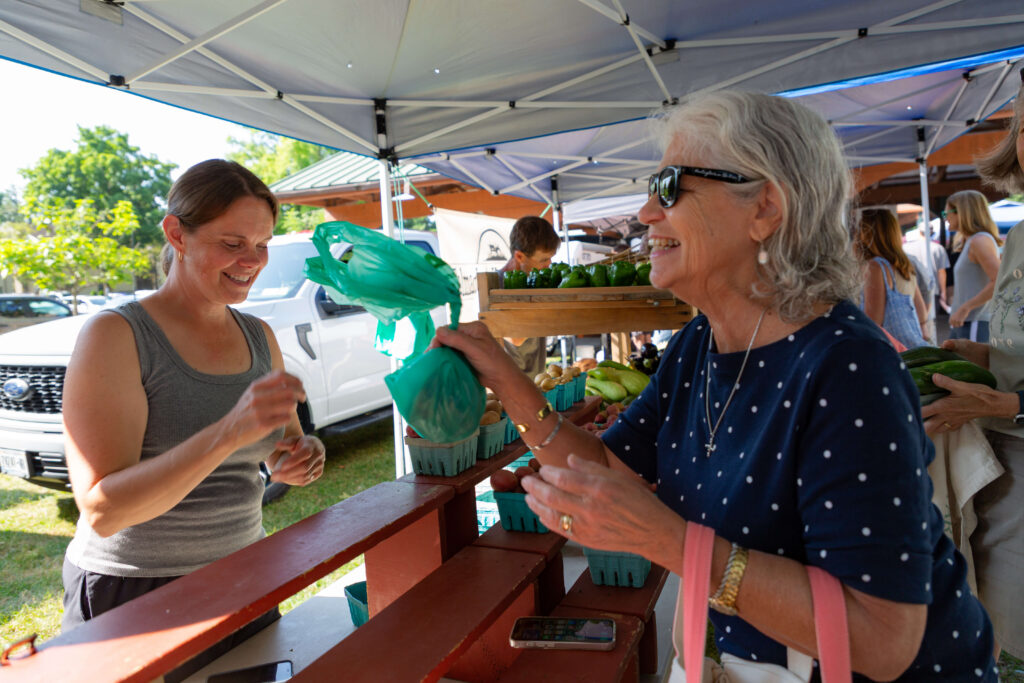
Ultimately, the farmers’ market is much more than a place to stock up on fresh provisions. It serves as a vital community space that revitalizes social connections and restores trust in our food systems. By participating in these weekly exchanges, we take an active role in shaping our own diets and supporting a thriving local economy.
To start building your own relationship with local food producers, be sure to stop by a market near you and strike up a conversation…you’ll be glad you did!
Saratoga Farmers’ Market is open Wednesdays, 3–6 PM, and Saturdays, 9 AM–1 PM, at High Rock Park in downtown Saratoga, and on Mondays, 2–5 PM in Clifton Park. Visit saratogafarmersmarket.org for more information and follow the market on Facebook and Instagram.