By Barb Biagioli

Every spring across the woodlands and forests of upstate NY, maple trees awaken from winter
dormancy and begin sending nutrient-rich sap from their roots up through their trunks. When the
nights drop below freezing, and the days grow sunny and warm, the trees push sap outward
through small taps inserted into the trunk. It is when the sap flows that sugaring season and
maple syrup celebrations begin, with the smell of boiling syrup and impending spring in the air.
For many communities across the northern forests, maple sugaring is more than food
production—it’s a seasonal ritual that marks the transition from winter to spring.
Families gather in sugarhouses, steam rises from boiling sap, and the first taste of fresh syrup
becomes a celebration of the land’s natural cycles.
For centuries, people have collected maple tree sap and transformed it into one of nature’s most
beloved sweeteners: maple syrup. Beyond its rich flavor, maple syrup and maple sap contain
beneficial minerals and plant compounds that make them far more than just a natural sugar.
Unlike refined sugar, maple syrup contains trace minerals and antioxidants, including:
Manganese – supports metabolism and antioxidant defense
Zinc – important for immune health
Calcium – supports bone health
Potassium – helps regulate blood pressure
Magnesium – involved in hundreds of cellular processes
Additionally, maple syrup contains polyphenols that help combat oxidative stress in the body.
Researchers have identified dozens of antioxidant compounds in maple syrup, including a unique molecule called quebecol, which forms during the heating process. These compounds may contribute to reduced inflammation, protection against cellular damage, and improved metabolic health.
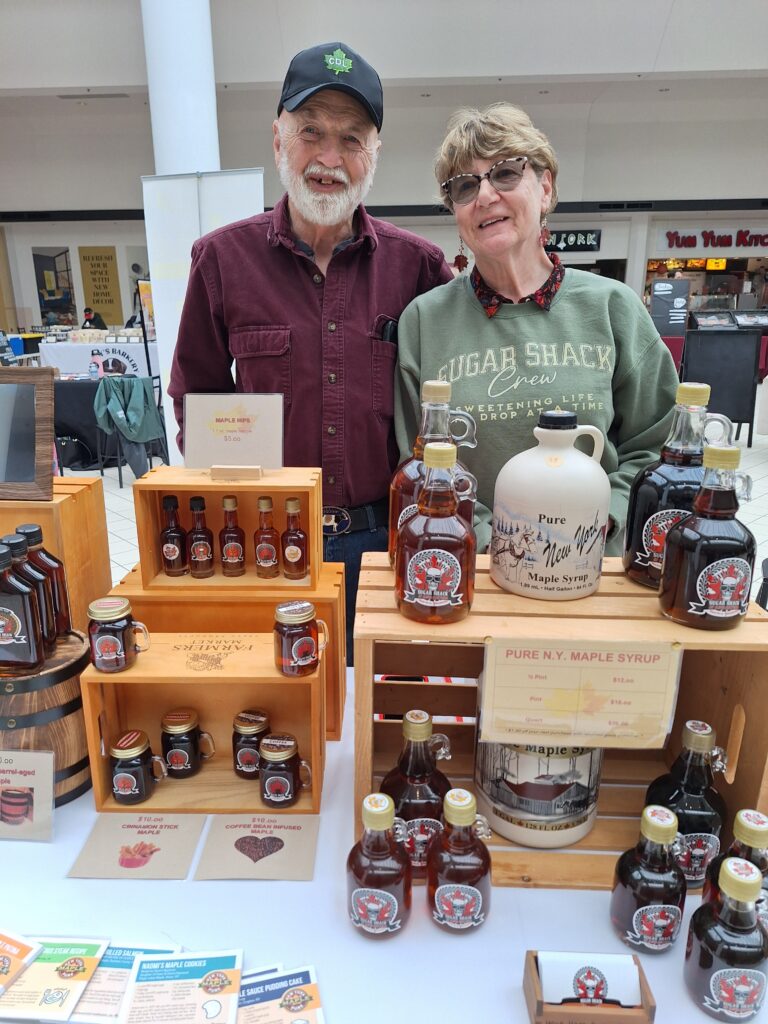
Where to buy the best maple syrup? Direct from the farm or farmer’s market. Local producers
often make maple syrup in smaller batches, giving it a deeper and more distinctive flavor. You
can ask your producer about tree species, harvest dates, production methods, and boiling
practices. Maple farms also carry several grades to taste and try – golden (delicate), amber (rich), and dark (robust) – all varying in depth and flavor profile. At the Saratoga Farmer’s Market, you can purchase directly from Wild Hogs Sugar Shack at Maple Milk Farm.
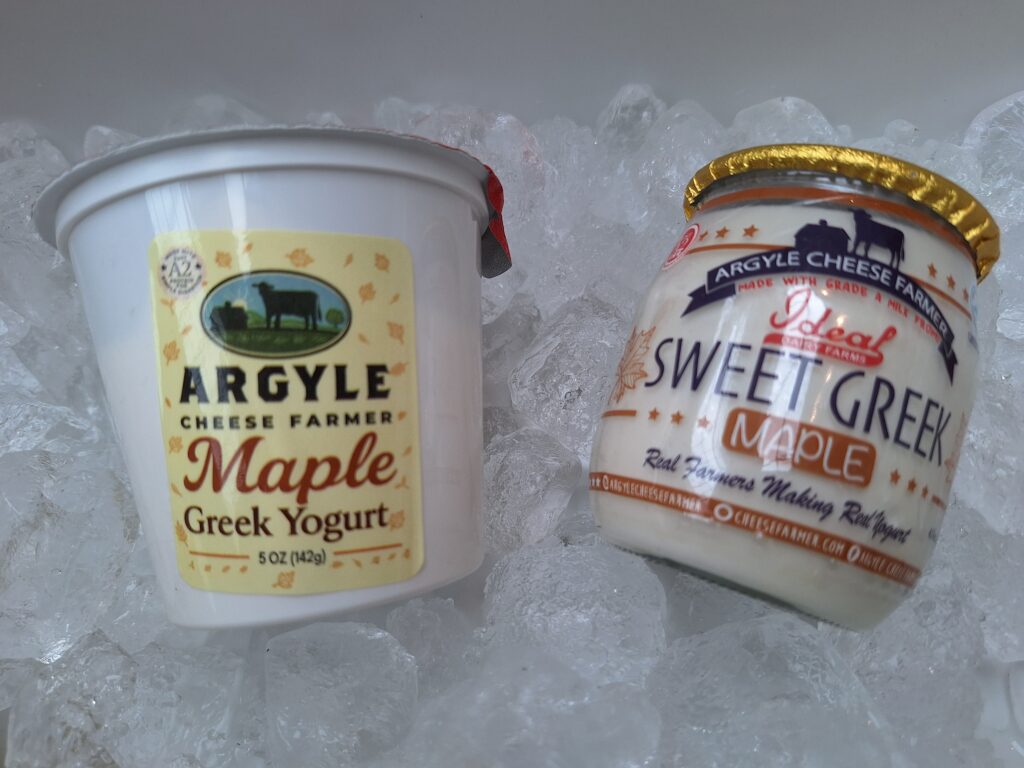
Additionally, many vendors at the farmers’ market use local maple syrup in their products. Parchment and Katie Bakes Gluten-Free use local maple syrup in their baked goods; Argyle Cheese Farmer features maple yogurts; Nettle Meadow makes chevre with maple; and many
more businesses use maple syrup in their products. Local maple syrup is even used to make
maple breakfast sausage at Grazin’ Acres Farm.
From tree to table, maple syrup captures the essence of early spring and represents one of the
purest and most time-honored foods of the northern forest.
The Saratoga Farmers’ Market is open on Saturdays from 9:30 a.m.-1:30 p.m. in the Wilton
Mall Food Court. Find us online at www.saratogafarmersmarket.org, where you can sign up for
our weekly newsletter, and follow us on Facebook and Instagram @SaratogaFarmersMarket.